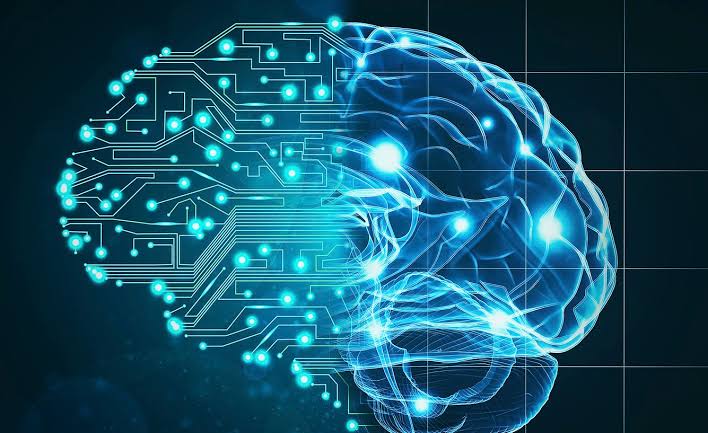
How Artificial Intelligence Is Changing the World
Artificial Intelligence (AI) has become one of the most transformative technologies of the modern era. It is no longer just a concept found in science fiction movies; instead, it is now deeply integrated into our daily lives. From smartphones and social media platforms to healthcare systems and business operations, AI is shaping the way we live, work, and communicate.
The rapid growth of AI has created both opportunities and challenges. On one hand, it is improving efficiency, accuracy, and productivity in almost every industry. On the other hand, it raises important questions about jobs, ethics, and the future of human interaction. Understanding how AI is changing the world helps us prepare for a future where technology and humans work more closely together than ever before.
AI in Everyday Life
Artificial Intelligence is already a part of our daily routine, even if we do not always realize it. When we use voice assistants like Siri or Google Assistant, get recommendations on Netflix or YouTube, or see personalized ads on social media, AI is working behind the scenes.
These systems analyze user behavior, preferences, and patterns to deliver more personalized experiences. This makes digital platforms more efficient and user-friendly. AI-powered navigation apps also help people find the fastest routes, avoid traffic, and save time during travel. In many ways, AI has become an invisible helper that simplifies everyday tasks and improves convenience.
AI in Healthcare
One of the most impactful areas where AI is making a difference is healthcare. AI-powered tools are helping doctors diagnose diseases faster and more accurately than ever before. Advanced algorithms can analyze medical images, detect abnormalities, and even predict potential health risks before they become serious.
AI is also being used in drug discovery, reducing the time required to develop new medicines. Virtual health assistants and chatbots are providing basic medical advice, making healthcare more accessible to people in remote areas. These innovations are saving lives and improving the overall quality of healthcare systems around the world.
AI in Education
Education is another field that is being transformed by artificial intelligence. AI-powered learning platforms are making education more personalized and accessible for students. These systems can analyze a student’s strengths and weaknesses and provide customized lessons based on their learning speed.
Online learning platforms use AI to recommend courses, track progress, and provide instant feedback. This allows students to learn more efficiently and at their own pace. Teachers also benefit from AI tools that help them manage classrooms, create lesson plans, and evaluate student performance more effectively.
AI is making education more flexible, inclusive, and adaptive to individual needs.
AI in Business and Industry
Artificial Intelligence is revolutionizing the business world by improving efficiency, reducing costs, and increasing productivity. Companies use AI to analyze large amounts of data, understand customer behavior, and make smarter business decisions.
In customer service, AI-powered chatbots handle queries instantly, improving response times and customer satisfaction. In manufacturing, AI-driven machines help automate production processes, reducing human error and increasing output. Financial institutions use AI to detect fraud, manage risks, and improve investment strategies.
Businesses that adopt AI technologies are gaining a competitive advantage in the global market, as they can operate faster and more efficiently than traditional systems.
AI in Transportation
The transportation industry is also undergoing a major transformation due to artificial intelligence. Self-driving cars, smart traffic systems, and AI-based route optimization are changing the way people travel.
Autonomous vehicles use AI to detect objects, understand road conditions, and make real-time driving decisions. This has the potential to reduce accidents caused by human error and improve road safety. AI is also being used in logistics and supply chain management to optimize delivery routes and reduce fuel consumption.
In the future, transportation systems are expected to become even more intelligent and fully automated.
AI in Communication and Social Media
Social media platforms and communication tools heavily rely on artificial intelligence. AI algorithms determine what content users see on their feeds, making online experiences more personalized and engaging.
Spam filters, content moderation systems, and translation tools are also powered by AI. These technologies help maintain safe online environments and allow people from different languages and cultures to communicate more easily.
However, AI-driven content recommendations also raise concerns about echo chambers and misinformation, as users may only be exposed to content that aligns with their existing beliefs.
Impact on Jobs and Employment
One of the most discussed topics related to AI is its impact on jobs. While AI is creating new job opportunities in technology and data science, it is also automating many routine tasks that were previously done by humans.
Jobs in manufacturing, data entry, and customer support are increasingly being replaced or supported by AI systems. However, new roles such as AI specialists, machine learning engineers, and data analysts are in high demand.
This shift means that the workforce needs to adapt by learning new skills and focusing on creativity, problem-solving, and emotional intelligence—areas where humans still have an advantage over machines.
Ethical Concerns and Challenges
Despite its benefits, AI also raises several ethical and social concerns. Issues such as data privacy, surveillance, and bias in algorithms are becoming increasingly important. AI systems are only as good as the data they are trained on, which means biased data can lead to unfair outcomes.
There are also concerns about the misuse of AI in areas such as deepfakes, cyberattacks, and misinformation. Governments and organizations around the world are working on regulations to ensure that AI is used responsibly and ethically.
Balancing innovation with responsibility is essential to ensure that AI benefits society as a whole.
The Future of Artificial Intelligence
The future of AI holds enormous potential. As technology continues to advance, AI is expected to become even more intelligent, efficient, and integrated into every aspect of life. From smart homes and cities to advanced robotics and space exploration, AI will play a key role in shaping the future.
However, the goal is not to replace humans but to enhance human capabilities. AI should be seen as a tool that supports human creativity, decision-making, and problem-solving. The collaboration between humans and AI will define the next era of technological progress.
Conclusion
Artificial Intelligence is changing the world in ways that were once unimaginable. It is improving healthcare, education, business, transportation, and communication while also creating new opportunities and challenges.
As AI continues to evolve, it is important for individuals and societies to adapt and use it responsibly. By embracing its benefits while addressing its risks, we can ensure that AI becomes a force for positive transformation.
Ultimately, Artificial Intelligence is not just changing the world—it is shaping the future of humanity itself.